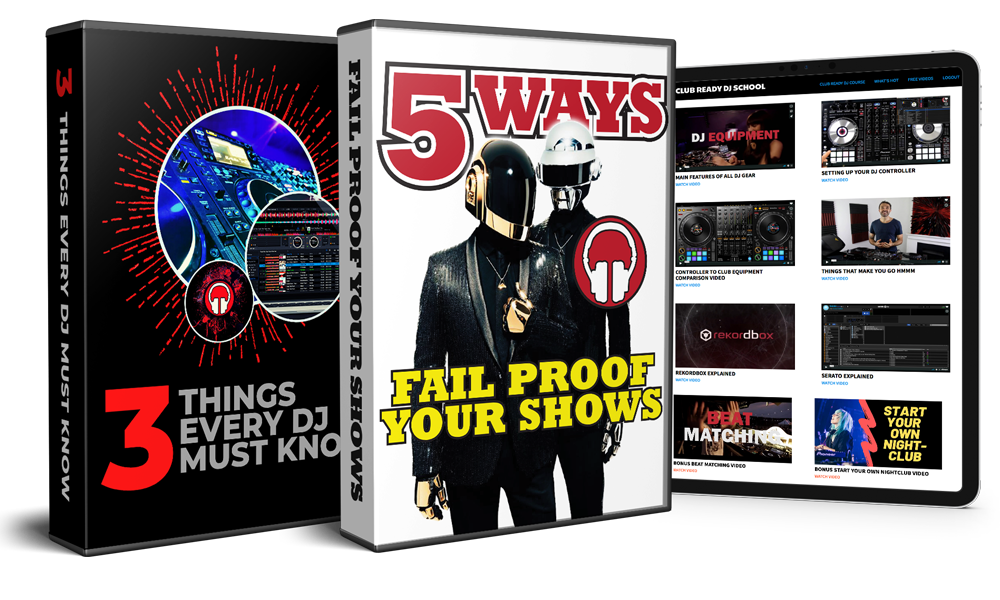
16 MINI DJ LESSONS FOR FREE!
Not sure where to start? In this mini series I answer many of the questions beginners have about learning to DJ.
: If a scandal is legitimate, it will typically be covered by established news organizations or verified social media accounts.
In a sea of digital noise, the "Joanna Carla Yamuta scandal" serves as a fascinating case study. It highlights how a real person's name can be co-opted into an artificial storm of misinformation. The lack of any verifiable facts, combined with the nonsensical "adds mega better" tag, suggests this is a fabricated keyword phrase, likely produced by automated systems or content farms. Instead of a scandal, we find a legitimate businessperson and a lesson in digital literacy. The next time you see a headline that seems too perfectly strange, remember to look closer—the story behind the search is often more revealing than the results themselves.
This dynamic creates a gap between search intent and reality: joanna carla yamuta scandaladds mega better
Would you like a sample weekly “Better Lifestyle” checklist inspired by her approach?
Consistently posting high-quality, positive content—such as celebrating family athletic achievements on the international stage—helps crowd out spam-driven search phrases. Over time, search engines prioritize genuine social media activity over automated keyword strings. The Evolution of Intentional Online Searching : If a scandal is legitimate, it will
Systems automatically generate pages using strings like "scandaladds mega better" to capture users who use complex search queries.
Search results for "Joanna Carla Yamuta" do not yield any news reports, legal filings, or social media trends that would indicate a public controversy or "scandal." The phrasing "adds mega better" appears to be nonsensical or part of a highly niche or fabricated keyword string that does not correspond to any known event. The lack of any verifiable facts, combined with
Real experiences that resonate with a modern audience.
Not sure where to start? In this mini series I answer many of the questions beginners have about learning to DJ.