The open-source community has made progress on a (projects like libdream and parts of Redream's HLE). These aim to provide 100% compatibility without using Sega’s copyrighted code. However, for true authenticity—especially for games that rely on obscure BIOS calls (e.g., Shenmue ’s passport features or Seaman ’s voice recognition)—the original dc-boot.bin and dc-flash.bin remain the gold standard.
For anyone diving into the world of Sega Dreamcast emulation, two specific files are non-negotiable: and dc-flash.bin . These files serve as the digital "brain" of the console, and without them, most high-end emulators like Flycast or RetroArch’s cores cannot accurately replicate the original console experience. What are dc-boot.bin and dc-flash.bin?
It verifies the region encoding of the inserted media (GD-ROM) to ensure compatibility.
They can, and some do (like Redream’s free tier). This is called . The emulator intercepts calls to the BIOS and translates them into PC function calls. It’s fast, but it’s a translation—and translations lose nuance.
This is the core bootloader code. It is responsible for the initial system hardware checks, the iconic orange swirl startup animation, and the handoff to the game disc.
/opt/libretro/flycast/dc/ (or similar dc folder in your core directory)
To get your emulator up and running, you must place dc-boot.bin and dc-flash.bin into the precise directory your emulation software expects. 1. RetroArch (Flycast Core)
As long as Sega holds the copyright, these files will remain in legal limbo. But as a matter of function , no Dreamcast emulation setup is complete without and dc-flash.bin .
The open-source community has made progress on a (projects like libdream and parts of Redream's HLE). These aim to provide 100% compatibility without using Sega’s copyrighted code. However, for true authenticity—especially for games that rely on obscure BIOS calls (e.g., Shenmue ’s passport features or Seaman ’s voice recognition)—the original dc-boot.bin and dc-flash.bin remain the gold standard.
For anyone diving into the world of Sega Dreamcast emulation, two specific files are non-negotiable: and dc-flash.bin . These files serve as the digital "brain" of the console, and without them, most high-end emulators like Flycast or RetroArch’s cores cannot accurately replicate the original console experience. What are dc-boot.bin and dc-flash.bin?
It verifies the region encoding of the inserted media (GD-ROM) to ensure compatibility.
They can, and some do (like Redream’s free tier). This is called . The emulator intercepts calls to the BIOS and translates them into PC function calls. It’s fast, but it’s a translation—and translations lose nuance.
This is the core bootloader code. It is responsible for the initial system hardware checks, the iconic orange swirl startup animation, and the handoff to the game disc.
/opt/libretro/flycast/dc/ (or similar dc folder in your core directory)
To get your emulator up and running, you must place dc-boot.bin and dc-flash.bin into the precise directory your emulation software expects. 1. RetroArch (Flycast Core)
As long as Sega holds the copyright, these files will remain in legal limbo. But as a matter of function , no Dreamcast emulation setup is complete without and dc-flash.bin .
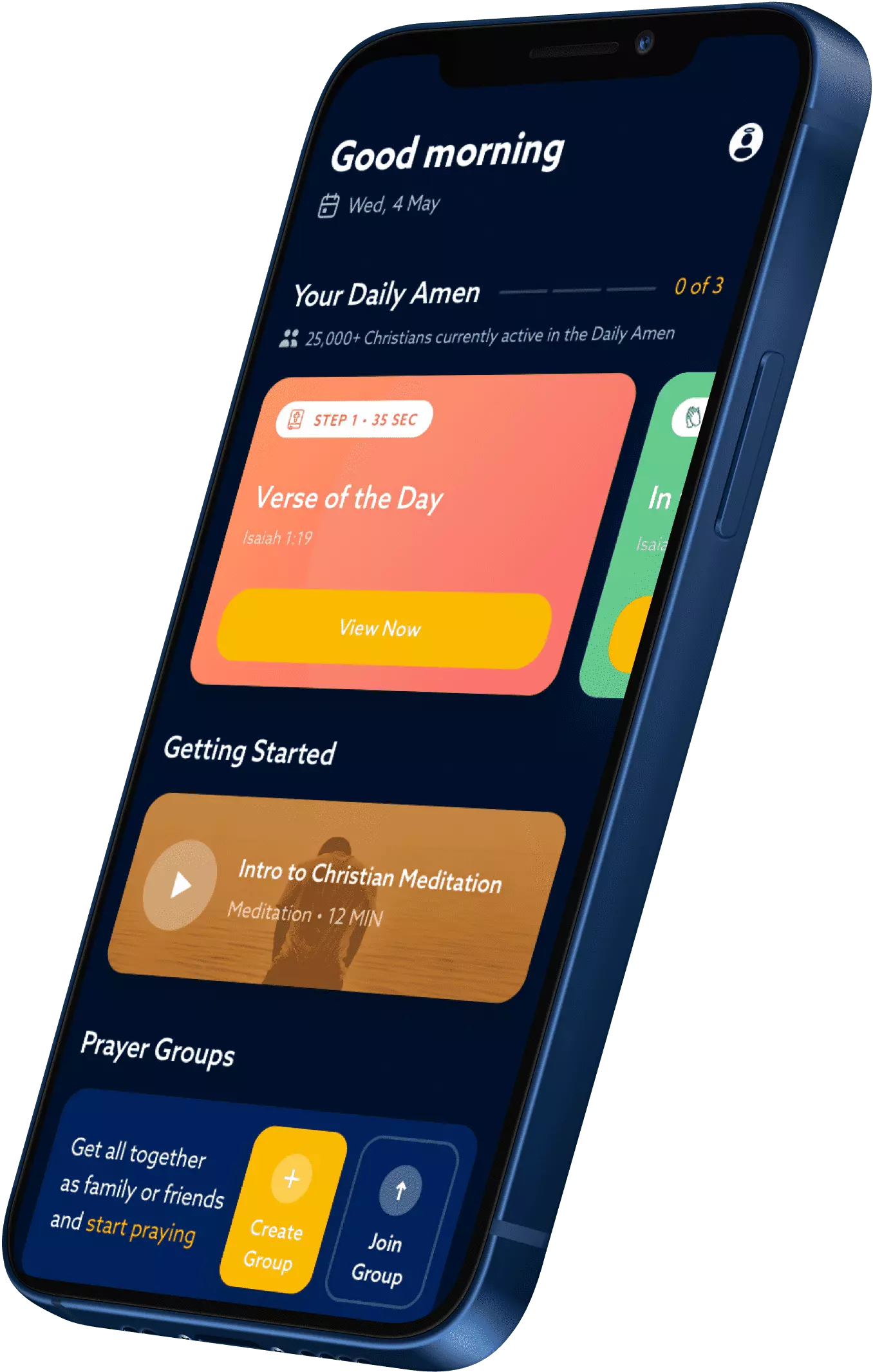
Amen was designed to help you make the power of prayer a part of your everyday life. Our goal is to help you increase Christian mindfulness, reduce stress & anxiety, improve your sleep and build a stronger relationship with Jesus Christ.
Amen is everything you need to stay connected with God and lead the fulfilling life He intends for you. Download our FREE app in the App Store!